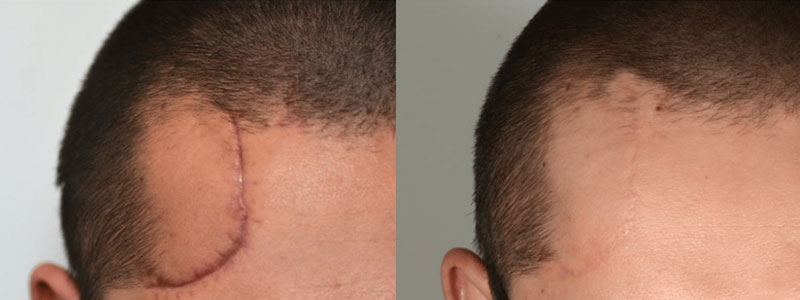
Scar Revision
Scar Revision is a specialized procedure designed to improve the appearance, texture, and overall visibility of scars caused by surgery, injury, burns, acne, or previous skin infections. While scars may not disappear completely, scar revision helps make them less noticeable and improves skin smoothness, balance, and confidence.
Depending on the type, size, and location of the scar, treatment may involve surgical correction, laser therapy, steroid injections, microneedling, PRP, or other advanced techniques. The goal is to reduce scar thickness, improve color mismatch, soften raised scars, and restore a more natural skin appearance.
Scar revision is commonly performed for acne scars, post-surgical scars, injury scars, burn scars, hypertrophic scars, and keloids. The treatment plan is carefully customized based on the individual skin condition and the nature of the scar.
One of the major benefits of scar revision is that it improves both physical appearance and emotional confidence. With the right approach, scars can become significantly less visible, helping patients feel more comfortable in their skin.
Benefits of Scar Revision
- Improves the appearance of scars
- Reduces scar thickness and uneven texture
- Helps soften raised or thick scars
- Improves skin tone and color balance
- Enhances smoother and healthier-looking skin
- Boosts confidence and overall appearance
Areas Treated
Face, cheeks, forehead, chin, neck, chest, abdomen, arms, legs, and post-surgical scar areas
Who is it for?
Scar Revision is ideal for individuals with visible scars from acne, surgery, injuries, burns, or keloids who want to improve skin texture and appearance. It is suitable for those looking for a safe and effective solution for smoother, clearer skin.
FAQs
Complete removal depends on the scar type and depth. Scar revision significantly improves the appearance, texture, and visibility of scars, making them much less noticeable.
Most scar revision treatments involve minimal discomfort. Depending on the procedure, local anesthesia or numbing cream may be used for better comfort.
The number of sessions depends on the scar type, size, and treatment method. Some scars improve after one procedure, while others may require multiple sessions.
Some improvement may be visible soon after treatment, while full results develop gradually over several weeks as healing and collagen production continue.
Downtime depends on the treatment type. Minor procedures usually have minimal downtime, while surgical scar revision may require a short recovery period.