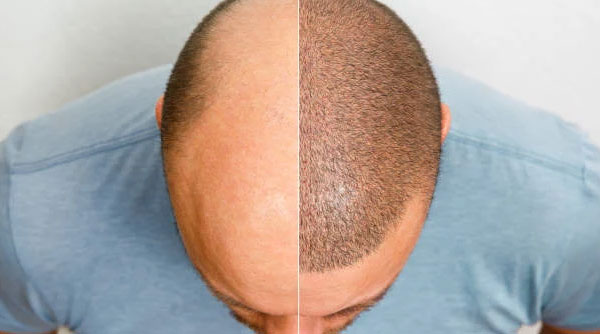
Hair Transplant: A Permanent Solution for Hair Loss
Hair loss is one of the most common concerns affecting both men and women today. It can impact appearance, confidence, and emotional well-being. While temporary treatments may help control hair fall, a hair transplant offers a long-term and permanent solution for restoring natural hair growth. With advanced techniques and modern technology, hair transplant procedures now provide safe, effective, and natural-looking results.
What is a Hair Transplant?
A hair transplant is a cosmetic procedure in which healthy hair follicles are taken from one part of the scalp—usually the back or sides of the head—and transplanted to areas affected by thinning hair or baldness.
Since the transplanted hair comes from your own scalp, the results appear natural and continue to grow permanently over time.
Who Can Benefit from a Hair Transplant?
Hair transplant is suitable for individuals experiencing:
- Male pattern baldness
- Female pattern hair thinning
- Receding hairline
- Bald patches
- Hair loss due to genetics
- Hair loss after injury or scars
- Thinning beard or eyebrow areas in selected cases
A proper consultation helps determine whether you are a suitable candidate for the procedure.
How Does Hair Transplant Work?
The procedure involves carefully extracting healthy hair follicles from the donor area and implanting them into the recipient area where hair growth is needed.
The most commonly preferred modern technique is FUE (Follicular Unit Extraction), where individual follicles are transplanted with precision, ensuring minimal discomfort and faster recovery.
The goal is to create a natural hairline and balanced hair density for the best aesthetic outcome.
Benefits of Hair Transplant
- Permanent solution for hair loss
- Natural-looking hair growth
- Improved hair density and hairline
- Boosts confidence and self-esteem
- Low maintenance after recovery
- Safe and minimally invasive procedure
Why FUE is a Popular Choice
FUE has become one of the most preferred hair transplant techniques because it offers excellent results with minimal downtime.
Key advantages of FUE include:
- No stitches required
- No visible linear scar
- Faster healing process
- Less post-procedure discomfort
- Suitable for natural short hairstyles
This makes it ideal for patients looking for both effectiveness and convenience.
Recovery After Hair Transplant
Recovery is generally smooth when proper aftercare is followed. Mild redness or swelling may occur for a few days, which is normal.
New hair growth usually begins after a few months, and full visible results are typically seen within 8 to 12 months depending on individual healing and hair growth cycles.
Post-Treatment Care Tips
- Follow all post-procedure instructions carefully
- Avoid touching or scratching the scalp
- Protect the scalp from direct sun exposure
- Use only recommended hair care products
- Attend follow-up appointments regularly
Why Professional Consultation Matters
Every patient has different hair loss patterns, scalp conditions, and treatment goals. A professional evaluation helps create a customized plan for natural and long-lasting results.
Expert planning ensures proper graft placement, balanced hairline design, and overall treatment success.
Conclusion
Hair transplant is a reliable and permanent solution for hair loss that helps restore not just hair, but also confidence and self-image. With advanced techniques like FUE and personalized treatment planning, patients can achieve natural-looking, long-term results safely and effectively. Choosing the right treatment at the right time can make a significant difference in both appearance and quality of life.